
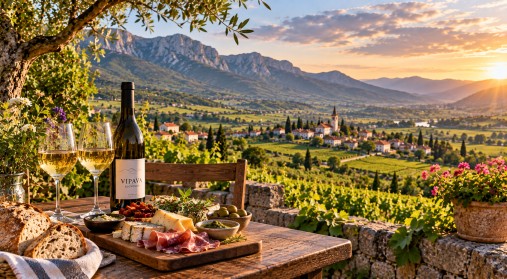
In the heart of Slovenia’s southwest, the Vipava Valley is drawing increasing interest from travelers with a penchant for wine, local cuisine, and outdoor pursuits. This region, characterized by its vineyards, karst landscapes, and traditional villages, is emerging as a unique destination. The valley, lying between mountain slopes and fertile plains, is traversed by the Vipava River and is conveniently located near the Italian border, making it an appealing stop for those exploring the broader area around Nova Gorica.
Among the valley’s defining natural elements is the burja, a robust wind that descends from the Alpine region, significantly impacting the local climate and the dry karst terrain. These conditions have shaped the agricultural practices here, fostering a strong reputation for wine and preserved foods. The surrounding hills are dotted with vineyards, and wine production is deeply interwoven with the local tourism experience. Small-scale producers and traditional wine estates dominate the landscape, reinforcing agriculture’s role in the region’s identity.
Culinary offerings in the Vipava Valley are deeply rooted in local tradition. Visitors can enjoy fresh cheeses made from sheep and goat milk, alongside cured meats, vegetables, herbs, and artisanal dishes. Traditional recipes coexist with innovative takes on regional cuisine, providing a rich tapestry of flavors. Moreover, the valley offers a glimpse into historical rural architecture, with former farm buildings and ancestral homes being repurposed for tourism while maintaining their original charm. These efforts have increased accommodation options in villages that previously offered limited lodging for visitors.
The Vipava Valley is also a haven for cycling enthusiasts, offering routes that meander through vineyards, quaint villages, and agricultural landscapes. E-bike paths are available to navigate the hilly regions, while hiking trails invite exploration of the surrounding karst environment. Historical attractions in the area include the Roman artifacts near Ajdovščina and the fortified settlement of Vipavski Križ, both of which provide a window into the valley’s extensive past.
Despite its many attractions, the valley remains relatively undiscovered, contributing to its allure. Tourism here is evolving at a measured pace, focusing on local food artisans, wineries, family-run businesses, and outdoor activities. The Vipava Valley thus presents a blend of experiences ideal for travelers seeking a leisurely European retreat, offering everything from scenic vineyard landscapes and regional gastronomy to historic villages and active pursuits.