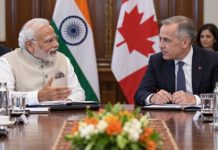

India and Canada are making significant strides in negotiating a Comprehensive Economic Partnership Agreement (CEPA), with a key focus on enhancing energy cooperation. This potential partnership seeks to establish a robust two-way energy supply chain. India, with its vast refining industry and status as one of the largest consumers of crude oil and natural gas, aims to import Canadian crude oil and natural gas while exporting refined petroleum products to Canada.
Canadian trade negotiators are scheduled to visit New Delhi early next month for the sixth round of CEPA negotiations, with both nations targeting a finalization of the agreement ahead of Indian Prime Minister Narendra Modi’s planned visit to Canada on December 11–12. The proposed deal highlights potential areas of energy cooperation, including crude oil, liquefied petroleum gas (LPG), liquefied natural gas (LNG), potash, uranium, and refined petroleum products.
The synergy between the two countries lies in their complementary energy needs. While Canada is a major energy producer, some of its refineries face technical constraints in processing heavy crude from Alberta’s oil sands. In contrast, certain Indian refineries are equipped to handle a wider range of crude grades, presenting an opportunity for India to supply refined fuels to Canada while sourcing energy resources from Canadian producers.
Bilateral relations between India and Canada have been gaining momentum, propelled by a series of high-level visits and trade discussions involving officials and business representatives from both countries. Since the inception of CEPA negotiations in March 2026, five rounds of talks have been concluded as of October, indicating progressing dialogue and cooperation.
The proposed agreement is ambitious, aiming to expand bilateral trade to C$70 billion by 2030. Trade in goods and services between the two nations reached C$30.4 billion in 2025, underscoring the potential for further economic collaboration.