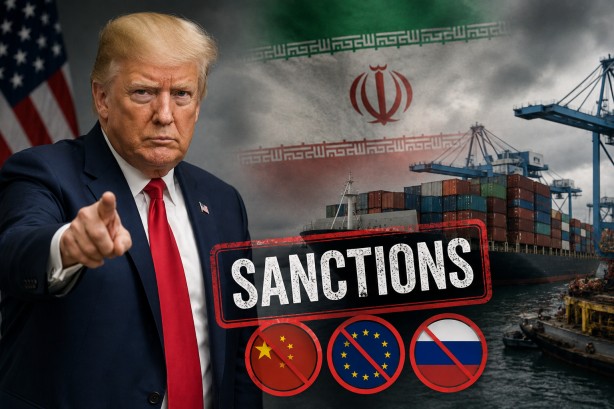
In a bold move to further isolate Tehran economically, the United States has issued a stern warning of imposing severe sanctions on nations and companies that continue to maintain economic relations with Iran. This initiative is part of Washington’s intensified campaign to cut off Iran’s access to international revenue streams. US Treasury Secretary Scott Bessent emphasized that this campaign will focus on entities involved in transactions that facilitate Iran’s revenue, particularly targeting those involved in Iranian oil sales and financial activities. Countries and companies still engaging with Iran may face deadlines to cease their dealings or risk confronting US sanctions.
This development has sparked apprehension over potential tensions with China, which stands as Iran’s largest trading ally and a significant purchaser of its oil. China has expressed opposition to the US’s pressure tactics, advocating instead for political and diplomatic solutions over the use of sanctions. Meanwhile, Iran has issued its own warnings, suggesting that any countries participating in the US-led efforts could face retaliatory actions, which might include military or cyber responses.
The backdrop to these measures is the ongoing dispute over Iran’s nuclear ambitions and the strategic Strait of Hormuz, a vital corridor for the world’s energy supplies. The US has strategically employed economic sanctions to curtail Iranian oil exports, while Iran has exerted its own pressure by maintaining a tense environment for shipping through this crucial passageway. The United States maintains that its economic strategies are designed to compel Iran to alter its course after past military interventions did not achieve the desired outcomes. Nonetheless, officials have not ruled out the possibility of further military interventions if deemed necessary.
The implications of the US’s sanctions threat are already being felt, with the United Arab Emirates announcing a halt to its trade relations with Iran. Turkey, another key trading partner of Iran, has yet to declare its stance in response to the latest US actions. The global community watches closely as these economic and diplomatic shifts unfold, potentially reshaping international alliances and economic ties in the region.