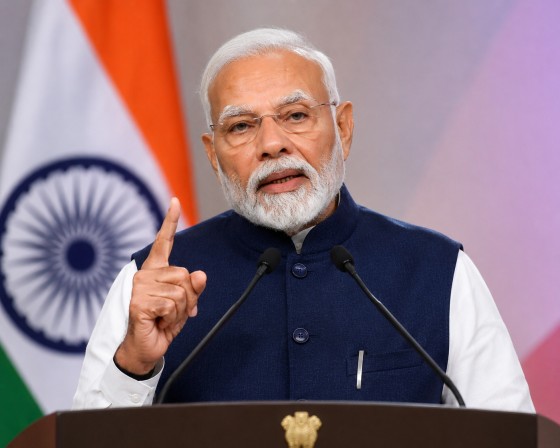
In response to increasing concerns over examination paper leaks in India, Prime Minister Narendra Modi has pledged to establish fast-track courts to expedite actions against those responsible. Modi emphasized that individuals who threaten the academic futures of the nation’s youth will face severe consequences. Through a social media statement, he affirmed the government’s commitment to safeguarding students’ interests by enforcing swift justice in such cases.
The decision for these specialized courts comes amidst ongoing student protests in New Delhi, triggered by a series of examination irregularities. Protesters are demanding accountability and have called for the resignation of the education minister due to repeated leaks. The protests have gained momentum following violent clashes between students and police near Parliament, which resulted in several injuries. This movement has evolved to address broader issues, including unemployment and the lack of opportunities for young people.
Public trust in India’s examination system has been significantly undermined by several high-profile incidents. Among them was a leak involving a national medical entrance examination paper, which necessitated the retake of the test by millions of candidates. Another controversy surrounding the grading of high school examinations has exacerbated criticism directed at the education system.
The government asserts that the introduction of fast-track courts is a step towards enhancing accountability and rebuilding trust in the examination process. These courts are part of a larger initiative aimed at delivering more immediate and stringent punishments in cases of paper leaks, thereby addressing the grievances raised by students and restoring faith in the integrity of academic assessments.