
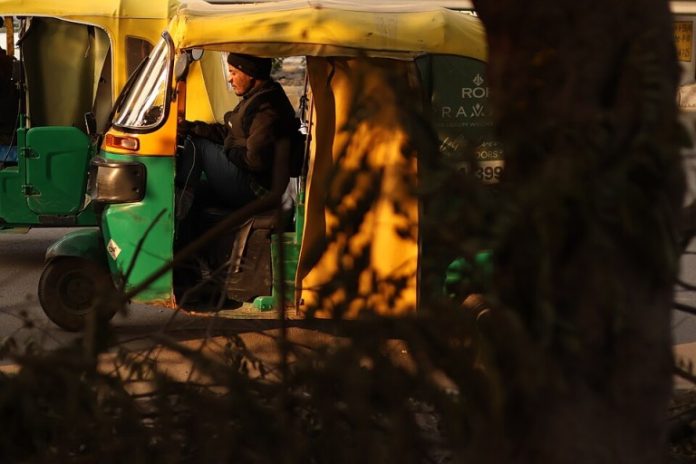
In a bold initiative to combat air pollution, Delhi’s government has unveiled plans to gradually eliminate petrol-powered two-wheelers and autorickshaws from its streets. This strategy is part of a broader effort to enhance air quality and mitigate emissions in the nation’s capital, aiming for a significant shift toward electric vehicles. The policy sets an ambitious target of achieving 30% electrification of the city’s vehicle fleet by the year 2030. The transition will commence with the registration of electric three-wheelers and small commercial vehicles in 2027, followed by electric scooters and motorcycles in 2028.
Transport-related emissions remain a major factor in Delhi’s persistent pollution issues, particularly exacerbated during the winter months when smog becomes a major concern. With vehicles contributing heavily to the city’s pollution levels, environmental specialists have lauded the government’s decision, asserting that promoting electric two- and three-wheelers could markedly lower emissions and enhance public health outcomes. To facilitate this transition, the government has committed to establishing over 30,000 public charging stations across the city.
Despite the potential benefits, the policy has spurred apprehension among auto-rickshaw drivers. Many express worries regarding the time required for charging, the cost of new electric vehicles, maintenance challenges, and the potential for reduced income during the transition period. Some experts have voiced that the government should also prioritize the expansion of clean public transportation options and improve last-mile connectivity to support the broader shift to electric vehicles.
Although the new policy includes incentives like tax benefits for those purchasing electric vehicles, critics argue the proposed timeline might be overly ambitious. They caution that it could be insufficient for drivers, manufacturers, and consumers to fully adapt to this sweeping change. The government’s initiative represents a significant step towards a more sustainable future, yet it highlights the complexities and challenges that accompany the transition to an electrified vehicle fleet.