
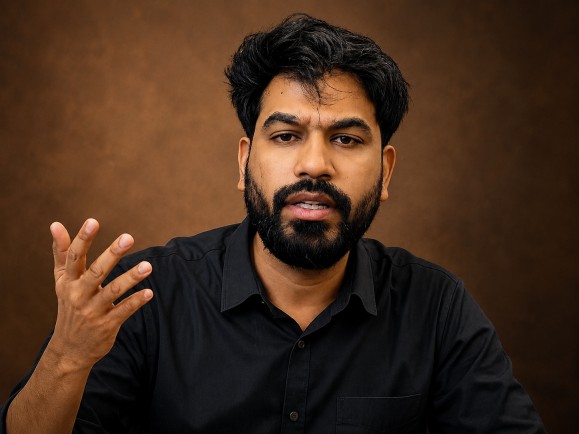
Abhijeet Dipke, the founder of the Cockroach Janta Party (CJP), has voiced criticism against Prime Minister Narendra Modi following the release of a video where Modi expressed his approval of the newly passed Public Examinations (Prevention of Unfair Means) Amendment Bill, 2026. In the self-recorded video, the Prime Minister highlighted the bill as a significant advancement in establishing a trustworthy examination process, promising stringent measures against those involved in the “paper mafia.”
Reacting to Modi’s video on social media, Dipke openly mocked the Prime Minister’s appearance and posed questions about the effectiveness of implementing stricter laws to address the persistent issue of exam paper leaks. He suggested that simply toughening penalties might not be sufficient to resolve the problem. The CJP has been vocal in its critique of the legislation, emphasizing that the focus seems to be more on penalizing offenders rather than preventing leaks from occurring in the first place.
The party has called for comprehensive structural reforms within the examination system to ensure transparency and integrity. They argue that the current approach is inadequate and that the bill should incorporate measures that address the root causes of the leaks. The CJP believes that without these fundamental changes, the amended legislation might fall short of its intended purpose.
A significant part of the CJP’s critique is the suggestion for changes to be made within the National Testing Agency (NTA), which oversees various competitive examinations in the country. The party has advocated for a more transparent and accountable system that would prevent leaks and ensure fairness in the examination process. Their stance is that reforming the NTA and implementing greater transparency measures are crucial steps in safeguarding the credibility of the examinations.
As the debate around the bill continues, it highlights the ongoing concern about examination integrity in India. While the government views the new legislation as a step forward in tackling unfair practices, critics like Dipke and the CJP urge for a more holistic approach that addresses underlying issues rather than imposing stricter penalties alone. The dialogue between the government and its critics underscores the complexity of reforming the examination system to maintain its credibility and fairness.