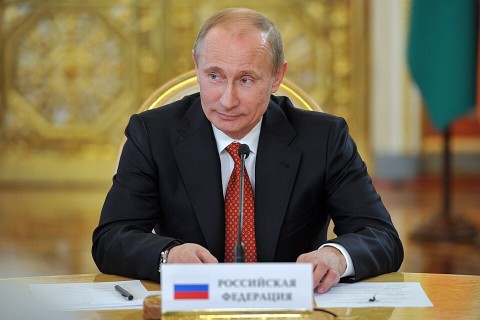
India is preparing to host the annual BRICS summit this September, as it takes on the role of chair for the group this year. The gathering in New Delhi is set to feature notable global leaders, including Russian President Vladimir Putin, who has confirmed his attendance for the event scheduled on September 12-13. This announcement comes from a Kremlin aide, emphasizing the significance of the summit in fostering international relations among member states.
President Putin’s involvement in the BRICS summit also includes a planned bilateral meeting with Chinese President Xi Jinping, highlighting the ongoing dialogue and cooperation between Russia and China. This visit marks a return to India for Putin, who last visited the country in December 2025 for the India-Russia Annual Summit. Such high-level interactions underscore the importance of the BRICS platform in addressing global economic and political challenges.
Earlier in the month, Russian Foreign Minister Sergey Lavrov was in New Delhi for a two-day conclave with BRICS member states, laying the groundwork for the upcoming summit. The BRICS grouping, originally consisting of Brazil, Russia, India, China, and South Africa, has seen a significant expansion in recent years. In 2024, it welcomed Egypt, Ethiopia, Iran, and the United Arab Emirates, with Indonesia joining in 2025. This expansion reflects the bloc’s growing influence and its role in representing emerging economies on the global stage.
BRICS now encompasses 11 countries, collectively accounting for nearly 49.5% of the world’s population. The bloc also represents about 40% of global GDP and approximately 26% of international trade. These figures underscore the economic clout of the BRICS nations as they seek to shape a multipolar world order. The upcoming summit in India serves as a crucial platform for these countries to discuss and coordinate on key issues affecting their economies and the broader international community.