
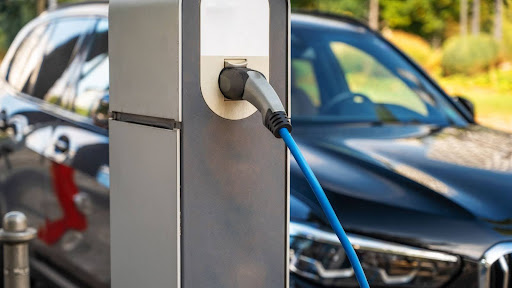
Online interest in electric vehicles has jumped 20 percent in the United States over the past three weeks, driven in large part by surging gasoline prices linked to the ongoing conflict involving American and Israeli forces in Iran. The national average for a gallon of gas has climbed to $3.90, a price point that is drawing widespread attention from drivers searching for ways to reduce their fuel expenses.
The geopolitical chain reaction began when US and Israeli military strikes on Iran triggered a retaliatory closure of the Strait of Hormuz by Iranian authorities. That narrow waterway plays an outsized role in global energy markets, facilitating the movement of approximately one-fifth of the world’s oil. With that passage effectively shut, global oil supply expectations tightened rapidly, sending crude prices — and subsequently gasoline prices — climbing.
Justin Fischer, an analyst at CarEdge, said his platform detected the uptick in EV searches almost immediately after news of the military strikes broke. He described the correlation as direct and significant, and suggested that a prolonged period of high gas prices could push even more consumers into serious EV research and purchasing. Edmunds reported a similar trend, with consumers increasingly researching both new and used electric models.
For Americans on tighter budgets, the used EV market is becoming particularly attractive. Certified pre-owned models from leading EV brands can now be found for less than $25,000, a price point that makes them competitive with conventional gasoline vehicles. Jessica Caldwell of Edmunds suggested these vehicles are likely to be “snapped up” quickly as awareness of their affordability grows among cost-conscious consumers.
The broader EV landscape in the US remains constrained by policy decisions and automaker strategy. Several major car companies have recently scaled back their electric vehicle programs in favor of profitable gas-powered trucks and SUVs. Meanwhile, federal policy has moved away from supporting EV adoption, creating uncertainty for both consumers and manufacturers trying to plan for a future that may or may not be electric.