
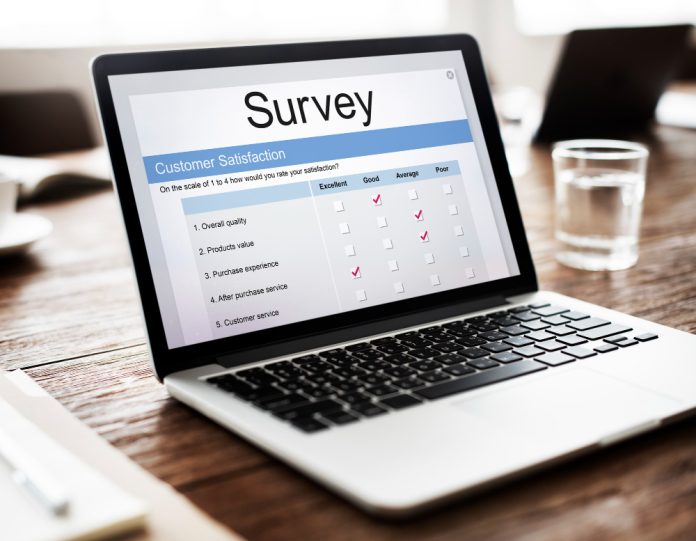
In the landscape of market research, consumer surveys serve as indispensable tools for gathering insights into customer preferences, behaviors, and motivations. These surveys are carefully designed to blend quantitative data with qualitative depth, providing businesses with valuable intelligence on aspects such as customer satisfaction, brand perception, and pricing sensitivity. In India, the approach to conducting these surveys is diverse, ranging from digital and telephonic methods to face-to-face interactions, ensuring inclusivity across varying literacy levels and connectivity accessibility.
The significance of consumer surveys in shaping business strategies cannot be overstated. They transform feedback into actionable data, helping companies mitigate the risks associated with launching new products, refine brand positioning, and make informed pricing decisions. In a market where a significant percentage of new FMCG launches stumble within a couple of years, surveys provide the empirical evidence necessary to distinguish successful product ideas from those based on misleading assumptions. Additionally, they enable brands to maintain a continuous feedback loop, keeping them attuned to the shifting expectations of consumers.
Different methodologies are employed in consumer surveys to suit the varied needs of the Indian market. Online surveys, often the fastest and most cost-effective, are ideal for reaching digital-savvy audiences in major metros. In contrast, mobile and app-based surveys are effective in capturing real-time consumer behavior in both Tier-1 and Tier-2 markets. For regions with high mobile penetration yet limited data adoption, telephonic surveys in regional languages are used. Meanwhile, face-to-face surveys are crucial in rural areas to overcome literacy barriers and foster trust through personal interaction.
Consumer surveys are utilized for an array of purposes, including tracking customer satisfaction, measuring brand health, testing product concepts, and assessing market entry feasibility. They also play a critical role in segmentation, demand forecasting, and analyzing post-purchase experiences across various sectors. To ensure the data collected is reliable and actionable, these surveys follow a robust process that involves defining objectives, designing research methodologies, selecting and sampling respondents, pilot testing, and rigorous quality control.
Recent trends in consumer research highlight the increasing influence of technology and the growing importance of understanding diverse market segments. AI-powered survey designs and voice-based AI surveys are making significant inroads, particularly in reaching low-literacy rural respondents. As the focus shifts toward the expansive markets of Tier-3, Tier-4, and rural areas, research budgets are being realigned to capture insights that can drive strategic growth. In this evolving landscape, consumer surveys remain a vital component of data-driven decision-making, providing the clarity needed to turn consumer insights into competitive advantages.