
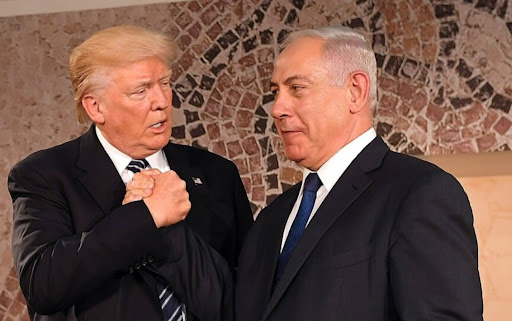
Regional pressure on Washington intensified this week after Israel struck Iran’s South Pars gas field, with Gulf nations urging US President Donald Trump to rein in Israeli Prime Minister Benjamin Netanyahu. The strike — which Iran answered with attacks on energy installations across the Middle East — rattled oil markets and deepened anxieties among countries that depend on stable energy flows from the region. Trump acknowledged he had told Netanyahu not to proceed with the attack, adding a rare note of public friction to a partnership that had been presented as seamless.
South Pars is not just any target — it is Iran’s largest and most economically vital gas field, and its destruction carries consequences far beyond the battlefield. The ripple effects were felt almost immediately: energy prices climbed, markets reacted nervously, and governments from Riyadh to Abu Dhabi called on Washington to prevent further strikes on critical infrastructure. The episode underscored how decisions made in Jerusalem can have sweeping consequences for the entire Gulf region.
Netanyahu, for his part, confirmed that Israel acted without US authorization but agreed to refrain from further strikes on the gas field. He worked to downplay the significance of the disagreement, presenting it as a minor divergence within an otherwise strong alliance. His framing — “He’s the leader. I’m his ally” — appeared aimed at reassuring Trump while preserving Israel’s freedom to act independently when it sees fit.
Multiple sources indicated that Washington had prior knowledge of the strike despite Trump’s initial claim to the contrary on social media. US officials subsequently moved to reaffirm the strength of the alliance, though their statements made clear that American strategy is shaped by US national interests first. Senior officials also acknowledged ongoing target coordination between the two militaries, muddying the picture of how unilateral the Israeli decision truly was.
The underlying disagreement over objectives adds complexity to all of this. Trump’s stated goal has always been to prevent Iran from obtaining nuclear weapons. Netanyahu has expressed a far more ambitious vision: a reshaped Middle East, potentially with a new Iranian government. As long as those differences persist, even the closest of allies will struggle to keep their strategies fully aligned.