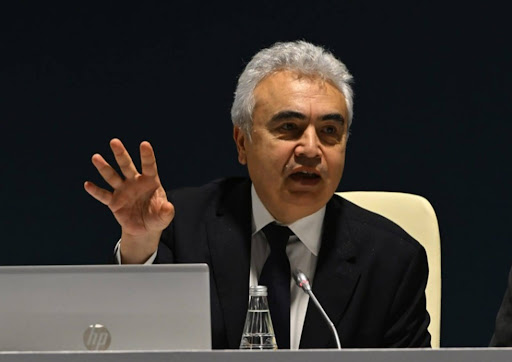
Fatih Birol, the head of the International Energy Agency, has revealed that the record-breaking 400 million barrel release from strategic petroleum reserves represents only 20 percent of what the IEA could potentially deploy to counter the global energy crisis caused by the Iran war. The IEA chief, speaking in Canberra, Australia, said further releases remained on the table as the agency consulted with governments across Asia, Europe, and North America. His disclosure underlined both the severity of the crisis and the scale of the tools still available to address it.
Birol described the current energy emergency as equivalent to the 1970s twin oil shocks and the Ukraine gas crisis happening simultaneously. The conflict, which began February 28 with US and Israeli strikes on Iran, has removed 11 million barrels of oil per day from global supply alongside 140 billion cubic metres of natural gas. For context, the twin 1970s oil crises removed 5 million barrels daily in total, and the Ukraine war cost markets 75 billion cubic metres of gas.
The IEA authorized its emergency release on March 11, alongside a push for demand-side measures including expanded working from home, reduced highway speed limits, and cuts to air travel. Birol was candid that these measures would only reduce economic pain rather than restore lost supply. The only true solution, he said, lay in reopening the Strait of Hormuz to commercial shipping.
The Hormuz strait, through which about 20 percent of global oil flows, has been shut down following attacks on commercial vessels. At least 40 Gulf energy assets have been severely damaged, making even a post-conflict supply recovery slow and difficult. The disruption has tightened fuel markets across Asia and Europe, with diesel and jet fuel availability particularly affected.
Japan has indicated it could deploy military vessels for minesweeping operations if a ceasefire is reached, while Australia, Japan, and South Korea have been criticized by President Trump for insufficient engagement in securing the strait. Iran threatened retaliatory strikes on US and allied energy infrastructure following Trump’s ultimatum. Birol maintained that international cooperation — not confrontation — offered the best path to resolving the crisis.