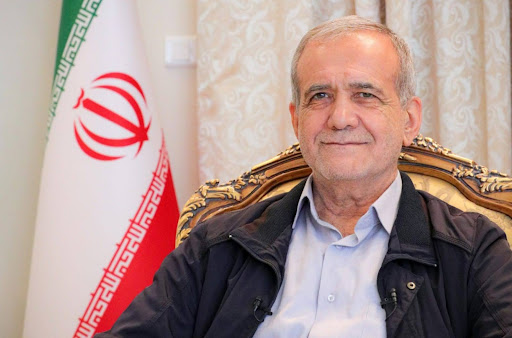
Iranian President Masoud Pezeshkian has deliberately used the war’s regional spillover to pressure Gulf states into rethinking their alliances, linking their security and development directly to their decision about hosting US and Israeli military forces. His message, delivered more than a month into the conflict, is a calculated attempt to leverage the war’s costs to reshape Gulf alignments. Tehran appears to be pursuing a long-term strategy of weakening the US military position in the Gulf by driving a wedge between Washington and its regional partners.
The war’s spillover into the Gulf has been significant, with Saudi Arabia, the UAE, Kuwait, Qatar, and Oman all experiencing the direct effects of both US military operations launched from their soil and Iranian retaliatory strikes. The cumulative damage has forced Gulf governments to reconsider the value and cost of their existing security arrangements. This reckoning has created an opening for Tehran’s diplomatic overtures.
Pezeshkian posted on X to communicate Iran’s core military position: no preemptive strikes, but guaranteed and powerful retaliation for any attack on Iranian infrastructure or economic assets. He urged Gulf leaders to act in their own interest by refusing to allow enemies to direct the war from their territory, framing this as the only path to genuine security and development. The message was both a warning and a sophisticated diplomatic overture.
Pakistan’s diplomatic role has been one of the defining features of the regional response to the conflict, with Prime Minister Shehbaz Sharif serving as an effective and trusted intermediary. Sharif’s discussions with Pezeshkian confirmed that Iran sees trust as the non-negotiable precondition for any formal peace process. Pakistan’s approach has been warmly praised by Tehran.
A critical diplomatic meeting in Pakistan is drawing together foreign ministers from Saudi Arabia, Egypt, and Turkey for intensive consultations on the war. Their discussions with Pakistani Foreign Minister Ishaq Dar and Prime Minister Sharif are focused on developing coordinated strategies for de-escalation. The meeting is being seen as one of the most important diplomatic opportunities to emerge from the conflict.