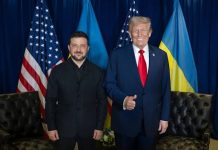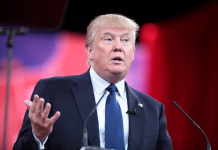

In what read almost like a personal appeal wrapped in a threat, President Donald Trump urged Iran on Thursday to drop its diplomatic act and commit to making a real deal to end the conflict. His Truth Social post claimed that Iranian negotiators were privately desperate for an agreement even as their government crafted a very different public message. Trump said the contradiction was unsustainable and that the window for a genuine deal was closing rapidly.
Washington’s ceasefire framework covers 15 specific areas and offers Iran a range of incentives designed to make the deal attractive. These include the easing of economic sanctions, a reduction in nuclear activities, restrictions on missile capabilities, and the resumption of international shipping through the Strait of Hormuz. The Strait of Hormuz handles approximately a fifth of the world’s oil supply and is one of the most strategically sensitive waterways on the planet. Iran’s rejection of the proposal has frustrated American efforts to secure a peace.
Tehran has broadcast its own vision of peace through state media, including demands for protection of its officials from targeted strikes, formal no-war assurances, reparations for conflict-caused destruction, and internationally recognized sovereignty over the Strait of Hormuz. These conditions differ fundamentally from what Washington has proposed and reveal that Iran’s expectations for any peace agreement are considerably higher. Finding common ground will require real movement from both sides.
The conflict’s impact on human life has been catastrophic. More than 1,500 people have been killed in Iran and nearly 1,100 in Lebanon, with casualties also recorded in Israel and across the region. Thirteen US service members have died, and millions of people in Iran and Lebanon have been uprooted from their homes and communities.
Trump’s appeal on Thursday, however blunt and combative in tone, carried an underlying message of urgency and perhaps even concern: the time for games is over, and what comes next if Iran doesn’t act will be terrible. With strikes continuing and diplomacy stalling, the need for a genuine breakthrough has never been more acute. A real deal is possible — but only if Iran is willing to show up honestly at the table.