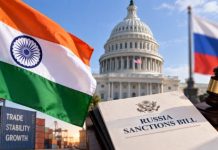
The United States is ramping up pressure on Russia to end the ongoing conflict in Ukraine, utilizing new legislative measures that could significantly impact global energy markets. The recently signed Lindsey O. Graham Sanctioning Russia and Iran Act of 2026 empowers U.S. President Donald Trump to impose steep tariffs on nations purchasing Russian oil and natural gas, a move potentially affecting major economies like India and China.
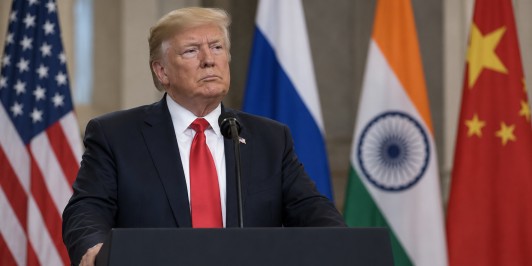
President Trump, addressing the United Nations General Assembly, emphasized that this law equips him with the authority to levy tariffs as high as 100% on countries that continue to buy Russian energy. While this development is part of broader efforts to compel Moscow to negotiate an end to the war, it introduces economic risks for major buyers of Russian resources, notably India and China, who are among the top five importers of Russian energy.
The legislation is not limited to tariffs alone; it also sanctions Russian officials, financial institutions, and energy networks accused of circumventing existing restrictions. These measures reflect Washington’s strategic push to intensify economic pressure on Russia and bolster diplomatic efforts for peace in Ukraine. Ukrainian President Volodymyr Zelenskyy has expressed support for the sanctions, indicating readiness for further diplomatic engagement to resolve the conflict.
While the law does not automatically impose tariffs, it grants the U.S. president discretion in their application, making the potential economic impact on India and China contingent on future decisions by the Trump administration. This flexibility in execution suggests a diplomatic lever aimed at encouraging nations to reduce their dependency on Russian energy.
The broader geopolitical landscape is now waiting to see how these developments unfold. The international community watches closely as the U.S. navigates this complex balance of economic sanctions and diplomatic negotiations, all aimed at a peaceful resolution in Ukraine.