
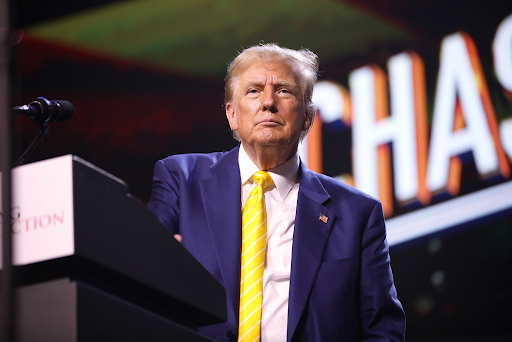
For the United Kingdom, the events of this past weekend delivered an uncomfortable lesson in the fragility of trade arrangements with the Trump administration. Having worked to negotiate a 10% tariff agreement with Washington — a deal celebrated as a significant diplomatic achievement — British officials found that arrangement superseded overnight when Trump raised all import duties to 15% using a new legal authority. The episode raises profound questions about the reliability of any trade commitments made under the current US administration.
The British government had invested considerable diplomatic capital in the 10% tariff arrangement, presenting it to business groups and Parliament as evidence that careful engagement with the Trump administration could yield tangible benefits. The business community had adjusted its planning and pricing accordingly. When the 15% announcement came, the reaction from UK trade groups was swift and blunt: William Bain of the British Chamber of Commerce called it “bad for trade, bad for US consumers and businesses, and weakening of global economic growth.”
The episode also illustrates a structural vulnerability in bilateral trade negotiations with the current US administration. When trade concessions can be unilaterally reversed through executive action — as happened here — the value of any negotiated arrangement is fundamentally undermined. For the UK, which is seeking to build a comprehensive trade relationship with the US outside the EU framework, this reality is both practically and politically significant.
In the short term, UK exporters face higher costs accessing the US market, with the 15% rate applying broadly and the previous 10% arrangement effectively null. Some goods remain exempt — critical minerals, metals, and pharmaceuticals fall outside the new tariff — but for the majority of UK exports, the hike is real and immediate.
Diplomatically, the UK government faces a difficult balancing act. The special relationship with the US remains a cornerstone of British foreign policy, and openly confronting Washington carries political costs. At the same time, business groups are demanding action, and the precedent of having a negotiated rate swept aside by a Truth Social post is one that demands a clear response. How Britain navigates this tension will be closely watched by other US trading partners.