
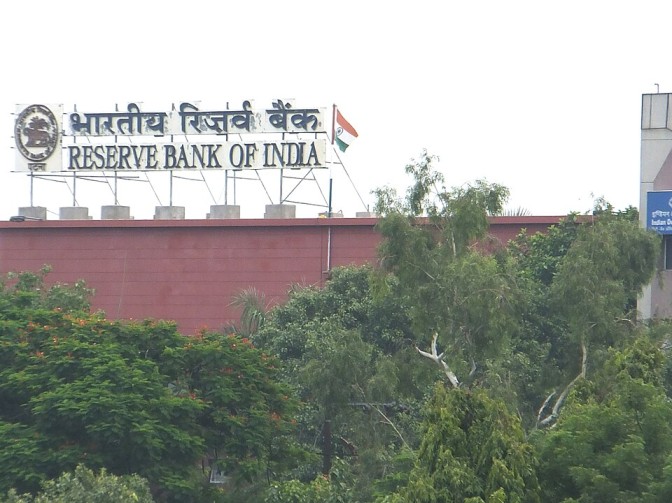
The Reserve Bank of India (RBI) has opted to maintain its policy repo rate at 5.25%, continuing its neutral stance on monetary policy. This decision comes as the central bank closely observes global economic challenges and inflationary trends. The Monetary Policy Committee (MPC), led by RBI Governor Sanjay Malhotra, reached this decision unanimously during their latest meeting, after thoroughly evaluating both domestic and international economic factors.
Consequently, the Standing Deposit Facility (SDF) rate holds steady at 5%, and the Marginal Standing Facility (MSF) rate, along with the Bank Rate, remains fixed at 5.5%. The RBI emphasized several reasons for maintaining the current rates, citing geopolitical tensions, particularly in West Asia, and disruptions to global trade and supply chains as significant considerations. Additionally, market volatility and persistent uncertainty around inflation weigh heavily on the bank’s decision-making process.
The repo rate is a critical tool influencing borrowing costs throughout the economy, impacting everything from home loans and vehicle financing to business investments and general economic activity. Adjustments to this benchmark rate can have widespread effects on financial conditions and consumer behavior.
Despite the challenging global economic landscape, the RBI noted that India’s economic fundamentals are relatively robust compared to previous times of international instability. Nonetheless, the central bank remains cautious, keeping a watchful eye on rising energy prices, inflation risks, and changes in monetary policy trends among major global central banks. These factors continue to shape financial markets around the world, influencing the RBI’s approach to maintaining stability in the domestic economy.