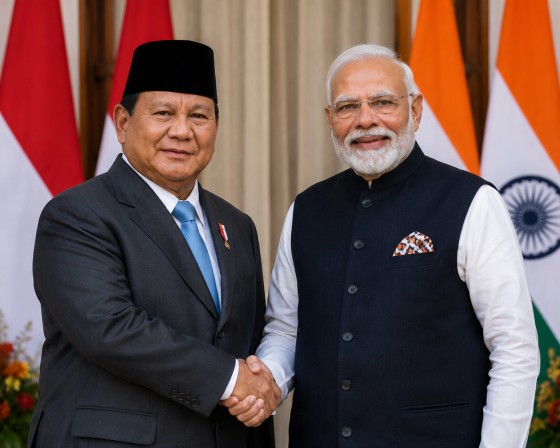
Next week, Indian Prime Minister Narendra Modi will embark on a visit to Indonesia for discussions with President Prabowo Subianto, with an emphasis on enhancing cooperation in the critical minerals sector. Indian Ambassador Sandeep Chakravorty has indicated that both nations are preparing several memorandums of understanding across various sectors, including healthcare, pharmaceuticals, education, and space, alongside critical minerals. While some of these agreements might reach completion during Modi’s visit, others are still in the negotiation phase.
India is particularly interested in forging a closer alliance with Indonesia to bolster its capabilities in processing and manufacturing critical minerals. The envisioned collaboration seeks to set up production facilities within Indonesia, ensuring a steady supply chain for both Indian and international markets. Negotiations are also underway regarding potential joint ventures that would involve Indonesian partners, which could significantly enhance the industrial landscape in this sector.
Indonesia stands as the world’s leading producer of nickel, making it a key strategic ally for nations aiming to secure a stable supply of critical minerals, essential for electric vehicles, batteries, and other cutting-edge technologies. The Indonesian government mandates that nickel must be processed domestically before it is exported, a policy that has attracted significant investment towards the development of downstream industries within the country.
This visit underscores India’s broader strategy to reinforce its supply chains for critical minerals and reduce its reliance on external sources. By strengthening economic ties with Indonesia, India aims to secure its supply chain while fostering greater economic cooperation between the two countries. The anticipated agreements, if successful, could mark a significant step in achieving these goals and enhancing bilateral relations.