
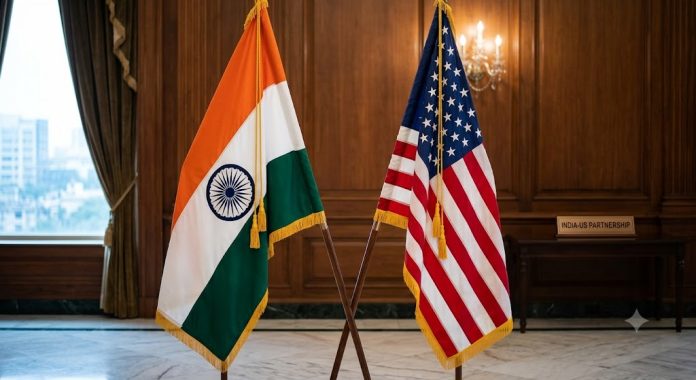
The United States and India have rekindled efforts to finalize an interim trade deal, aiming to iron out significant differences before an upcoming tariff deadline. Recent discussions have centered on addressing remaining obstacles to establishing a bilateral trade agreement, with both sides showing optimism about resolving these issues. Officials have indicated that after months of negotiations, only a few sticking points remain before a deal can be reached.
Initially, the trade talks were set in motion with an ambitious goal to expand bilateral trade to exceed $500 billion by the year 2030. However, the negotiations hit a snag when the United States imposed new tariffs on Indian goods, which led to a substantial increase in duties on certain products. Although a previous framework had been proposed to reduce tariffs on Indian exports, its implementation was hindered by legal challenges within the United States.
The agreement currently under discussion proposes that India would lower tariffs on a selection of American industrial and agricultural products, while the United States would reciprocate by reducing duties on Indian goods. Nonetheless, certain sensitive sectors such as dairy, wheat, rice, and poultry remain protected due to domestic concerns in both countries.
Agriculture has emerged as a particularly contentious issue, with the United States pushing for greater access for its farm exports. India, however, remains wary due to potential impacts on local farmers and existing food regulations. The cautious approach by India underscores the delicate balance needed to protect domestic industries while engaging in international trade.
Securing a successful agreement could significantly enhance trade relationships between the two nations, bolster India’s competitive position against other exporters, and align with the mutual objective of strengthening economic ties. As talks continue, both countries are keen to overcome the remaining hurdles, which could pave the way for a more robust and mutually beneficial trade partnership.