
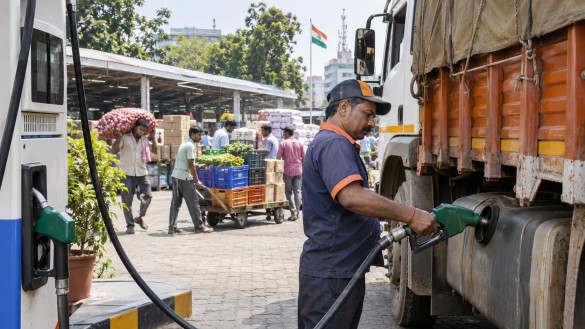
India’s wholesale inflation has reached a record high, with the Wholesale Price Index (WPI) climbing to 12.3% in October, marking its highest level in the current data series. This surge is largely attributed to a significant rise in fuel and power prices, underscoring mounting price pressures within the economy.
Government data indicates a notable jump in fuel and power inflation, which soared to 32.8% from 25.9% the previous month. The sharpest increases were observed in crude petroleum and natural gas, with inflation rates hitting 70.8%. This rise follows retail inflation surpassing the Reserve Bank of India’s (RBI) upper tolerance limit of 6%, further heightening concerns about the country’s inflationary environment.
Inflation in primary articles increased to 9.2%, up from 8.7% in September. However, there was a slight moderation in manufactured products, where inflation eased to 9.5% from 9.8%. This mixed trend in inflation components highlights the complex nature of the current economic situation.
The escalation in wholesale inflation has sparked expectations of a potential interest rate hike by the RBI’s Monetary Policy Committee in its upcoming meeting. Despite these concerns, a continued decline in crude oil prices might alleviate some of the inflationary pressures in the future.
Economists caution that weather-related disruptions and geopolitical tensions could pose additional risks to India’s inflation outlook, even as recent trends in crude oil prices offer some respite. The situation remains dynamic, with multiple factors influencing the overall economic landscape.